Snails and Slugs Facts & Information
Hawx is always reliable. Always innovative.
20,000+ 5-STAR REVIEWS
“Connors Trader went the extra mile to make sure he listened to our needs regarding the ant problem we had.”
- Larry
“He sprayed indoors and out, swept my eaves for spider webs and took care of a couple of wasp nests.”
- Rick
“He even sprayed on my deck, which no one else has done.”
- Sue
Rain overnight, leaves chewed up on your favorite plants, a silvery trail across the step—these are all classic signs that snails and slugs have been on the move around your property. No, these soft-bodied mollusks aren’t technically insects, but they can cause plenty of frustration, especially when they strip tender plants or even wander indoors after a storm. They may seem impossible to keep away, but with the right strategy, lasting snail and slug control is absolutely achievable.
Below, we’ll cover what they are, how to tell them apart, where they live and feed, and how to get rid of snails and slugs for good.
Look up your local branch or call our office at (888) 372-9514 to schedule your appointment.
How to Identify Snails and Slugs
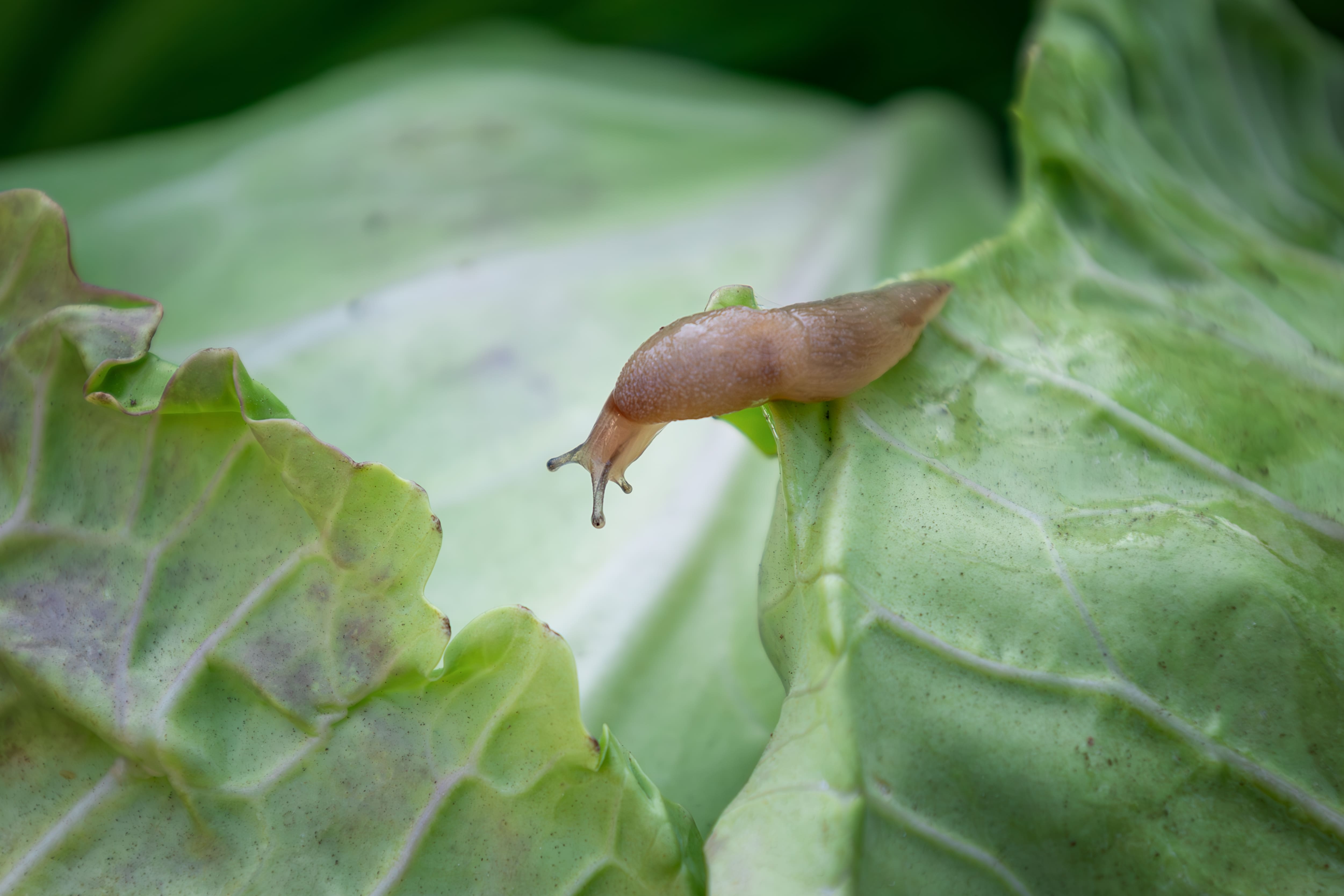
Start with the shell test: snails carry a coiled, external shell on their back; slugs do not. Both have soft, elongated bodies, two pairs of retractable tentacles (the longer pair with eyes at the tips), and a muscular “foot” that secretes mucus for gliding along surfaces like your patio and plant leaves. Their colors range from pale tan to charcoal gray or brown, and the dried slime trail often looks like a faint, silvery line on hard surfaces, which doubles as an easy way to track where they’ve been.

Life Cycle and Behavior
A typical life cycle of snails and slugs includes egg, juvenile, and adult stages. Plus, many species are hermaphroditic, so any two adults can produce eggs. They’re most active at night or during cool, damp weather, avoiding the sun and dry heat. Moisture is essential for their survival, so irrigation, rain, and dense groundcover are all reasons for increased activity around (or inside) your home.
Where Do Snails and Slugs Live?
Again, moisture is everything for snails and slugs. They thrive in humid, shaded spots with moderate temperatures, so irrigated landscapes, mulched beds, and areas with frequent condensation or poor drainage are all prime real estate.
Common Hiding Spots in Your Home & Yard
Check beneath pots and stepping stones, in thick groundcovers, under landscape timbers, stacked firewood, and along foundation plantings. They also congregate near leaky spigots, AC condensate lines, or crawlspace vents. Indoors, they occasionally appear in garages, basements, or entryways—usually after soaking rains.
What Do Snails and Slugs Eat?
They prefer tender vegetation, fungi, and decaying organic matter, but won’t say no to pet kibble or spilled grains. Seedlings, soft leaves, fruit skins, and plant stems are also frequent targets.
Vegetable beds (lettuce, tomatoes, strawberries), ornamentals (hostas, dahlias), compost piles, bird or pet food bowls, and even damp cardboard can become feeding stations for snails and slugs—especially at night or after irrigation.

What Are the Signs of Snails and Slugs?
Look for irregular, smooth-edged holes in leaves, rasped fruit surfaces, seedlings that have been clipped, and those trademark slime trails on soil, patios, or thresholds.
How Do Snails and Slugs Get in the House?
Some of the things that will draw them inside are: persistent moisture outdoors, dense vegetation touching your home’s structure, shaded clutter, and accessible food sources in your home. Both snails and slugs can squeeze through surprisingly small gaps, slipping under door sweeps, through torn weatherstripping, foundation cracks, crawlspace vents, or even gaps around utility line holes. The shell puts snails at a disadvantage compared to slugs, so it’s more common to find a wayward slug in your house, especially near doorways after rainfall.
How to Prevent a Snail or Slug Infestation
Moisture control is your first priority. Fix leaky hoses and spigots, improve drainage, and water early so surfaces dry by nightfall. It’s also wise to thin dense groundcovers, elevate pots, and keep mulch levels to where there’s just enough to cover ground surfaces—excessive amounts of mulch tend to build up humidity and attract snails and slugs.
But that’s not all. Be sure to declutter flower beds, store firewood off the ground, and keep pet food sealed and feeding areas dry. As for inside, add door sweeps, repair screens, and seal cracks and gaps to cut down on potential intrusions.
Let Hawx Handle It
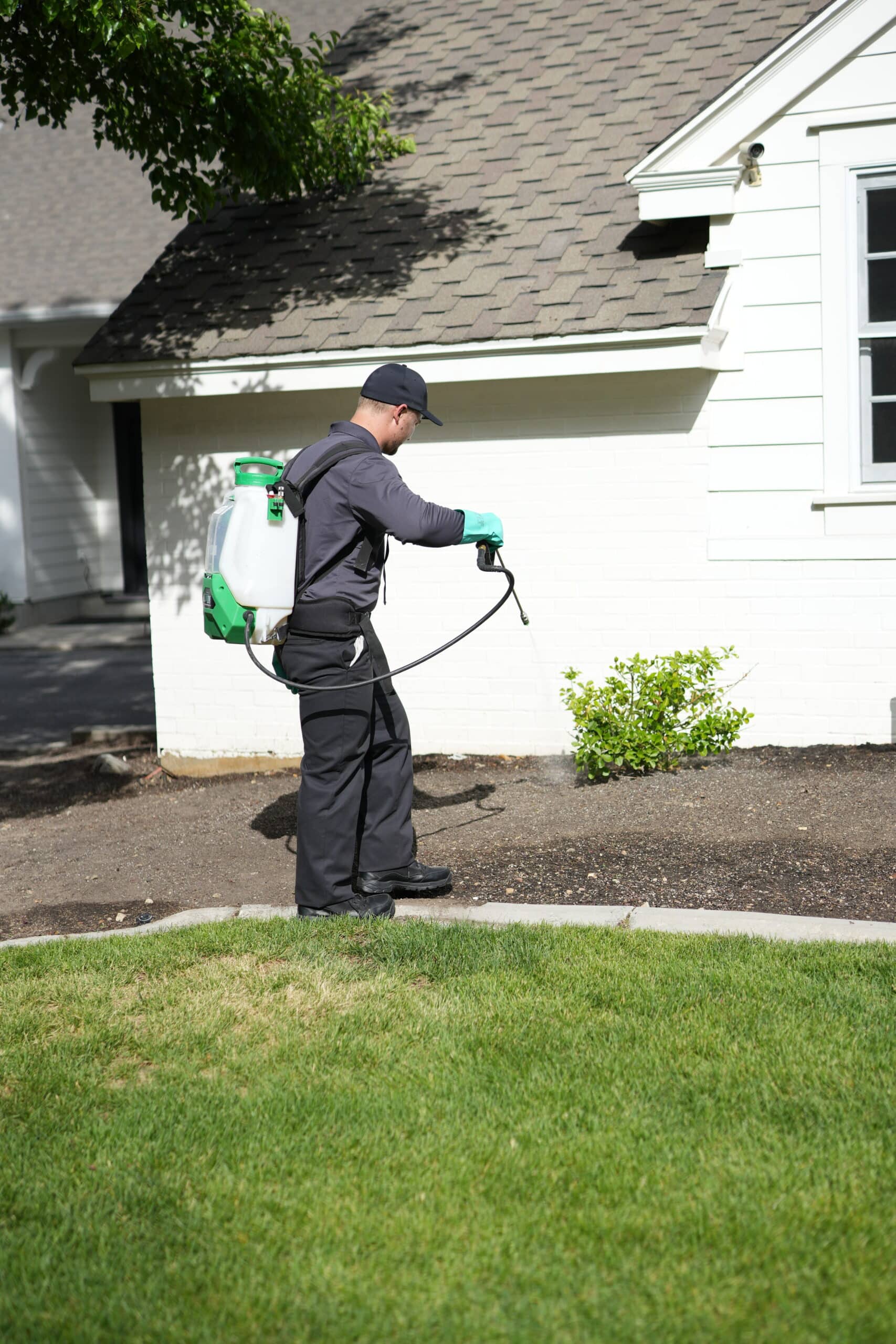
If you’re seeing nightly plant damage, frequent indoor sightings, or moisture issues on your property that you can’t resolve, your problem may be getting out of hand. Yes, you may be able to make a small difference at first, but lasting results come from combining environmental fixes with well-placed treatments and ongoing monitoring—something a Hawx technician can design, implement, and maintain for you.
We identify harborage, reduce attractants, and create a tailored control plan that protects your landscape and keeps those telltale slime trails away from thresholds. If you’re ready for snail and slug control that lasts, we’re ready to get it done. Contact Hawx today for a free estimate.